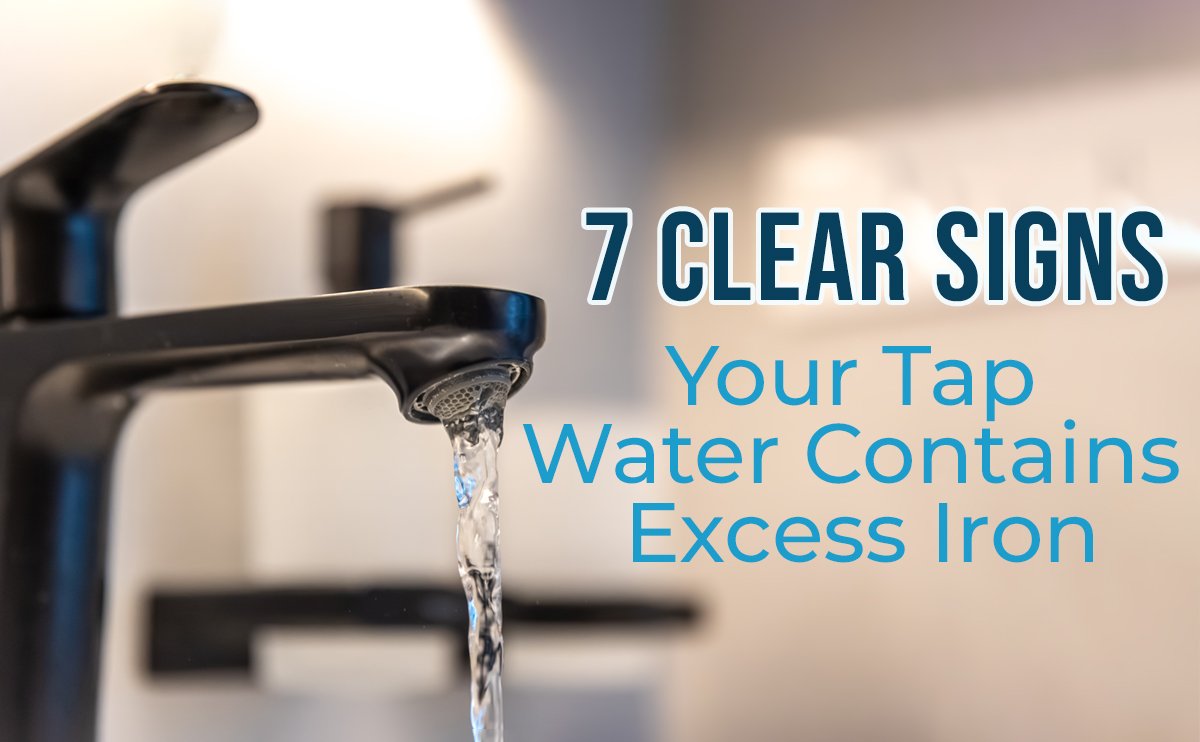
7 Clear Signs Your Tap Water Contains Excess Iron

Key Takeaways
- If your home uses borewell or groundwater, the 7 Signs Your Tap Water Contains Excess Iron may be easy to notice.
- Iron leaves visible signs such as stains, colour changes, and metallic smell.
- These signs usually appear before lab testing is done.
- Excess iron affects water taste, cleaning efficiency, clothes, and appliances.
- Identifying the issue early helps prevent plumbing damage and appliance wear.
Introduction
Excess iron in tap water is a common issue in many households, especially those that depend on groundwater, borewell supply, or ageing pipelines. In most cases, people notice visible changes in water quality long before they decide to test it.
Understanding the 7 Signs Your Tap Water Contains Excess Iron helps homeowners identify the problem early, before it starts affecting daily water use, household appliances, and plumbing systems.
What Excess Iron in Tap Water Means for Your Home
Excess iron in tap water refers to higher-than-normal iron content present in the household water supply. Iron naturally occurs underground and dissolves into water as it passes through soil and rock layers.
While small amounts of iron are common, higher levels cause noticeable changes in how water looks, smells, and behaves during daily use. Unlike many invisible contaminants, iron leaves clear physical signs, making early detection possible even without testing equipment.
Why Excess Iron Appears in Tap Water
Iron commonly enters tap water due to:
- Dependence on groundwater and borewells
- Old iron or steel pipelines
- Storage tanks where water reacts with air
- Oxidation when water remains unused
Because of this, iron levels can vary from one building to another, even within the same locality.
7 Clear Signs Your Tap Water Contains Excess Iron
- Reddish-Brown Stains on Sinks and Taps: Iron oxidises on contact with air, leaving rust-coloured stains on wash basins, tiles, taps, and toilet bowls. These stains return quickly even after cleaning.
- Metallic or Bitter Taste in Water: Excess iron in tap water often gives drinking and cooking water a metallic or bitter taste. Many people notice this when tea, coffee, or cooked food changes colour or flavour.
- Yellow or Orange Tint in Stored Water: Tap water may look clear initially. However, after standing for some time, it can develop a yellow or orange tint, with sediments settling at the bottom. This indicates oxidised iron particles.
Metallic or Earthy Smell: Iron-rich water can produce a metallic or earthy smell, especially when hot water is used. This smell is usually stronger in bathrooms and kitchens.
Stains on Clothes After Washing: Excess iron reacts with detergents and causes yellow or brown stains on clothes. White fabrics are affected the most and often look dull after repeated washing.
Soap and Shampoo Don’t Lather Properly: Iron interferes with soap and shampoo performance, resulting in:
- Reduced lather
- Sticky feeling on skin
- Rough or dull hair after washing
This issue is often confused with hard water alone, but iron makes it worse.
Build-Up in Pipes and Appliances: Over time, excess iron in tap water forms deposits inside pipes, geysers, and washing machines. This buildup reduces water flow, lowers appliance efficiency, and shortens equipment lifespan.
How Excess Iron in Tap Water Affects Daily Use
Excess iron mainly causes usability and maintenance problems, such as:
- Increased cleaning effort
- Staining of surfaces and clothes
- Poor water taste and smell
- Frequent appliance servicing
Although iron is not usually a health concern at household levels, it creates long-term inconvenience if ignored.
How to Check for Excess Iron in Tap Water
You can identify excess iron by:
- Observing stains and colour changes
- Noticing metallic taste or smell
- Using basic home water test kits
- Getting professional water testing done
In most homes, visible signs appear well before testing becomes necessary.
What to Do If Excess Iron Is Found in Tap Water
Once excess iron in tap water is confirmed, treatment should focus on iron-specific removal, not general filtration. Iron behaves differently from sediments or hardness and requires targeted solutions.
In such cases, homeowners usually explore iron removal solutions for household water to prevent staining, plumbing buildup, and appliance damage.
Is Excess Iron in Tap Water Harmful?
In most households, excess iron in tap water is not dangerous, but it is undesirable. The primary concerns relate to:
- Water appearance and taste
- Household maintenance
- Long-term appliance damage
Addressing the issue improves water usability rather than treating a medical condition.
Final thought
Excess iron in tap water is easy to overlook at first but difficult to ignore once its signs appear. From stains and smell to appliance damage, iron affects everyday water use in many homes.
By recognising the signs early and understanding their cause, homeowners can take timely steps to manage iron levels and maintain better water quality throughout the house.
Frequently Asked Questions(FAQs) About Excess Iron in Tap Water
Stains, metallic taste, colour changes, and smell are the most common indicators.
Oxidised iron particles settle on surfaces and fabrics when water is exposed to air.
The smell usually comes from dissolved iron reacting with oxygen.
Boiling does not effectively remove dissolved iron.
Yes, but excess iron can stain fixtures and affect soap performance.
Yes. Long-term iron buildup reduces efficiency and causes blockages.