Benefits of Installing a Water Softener for Bathrooms in Bangalore

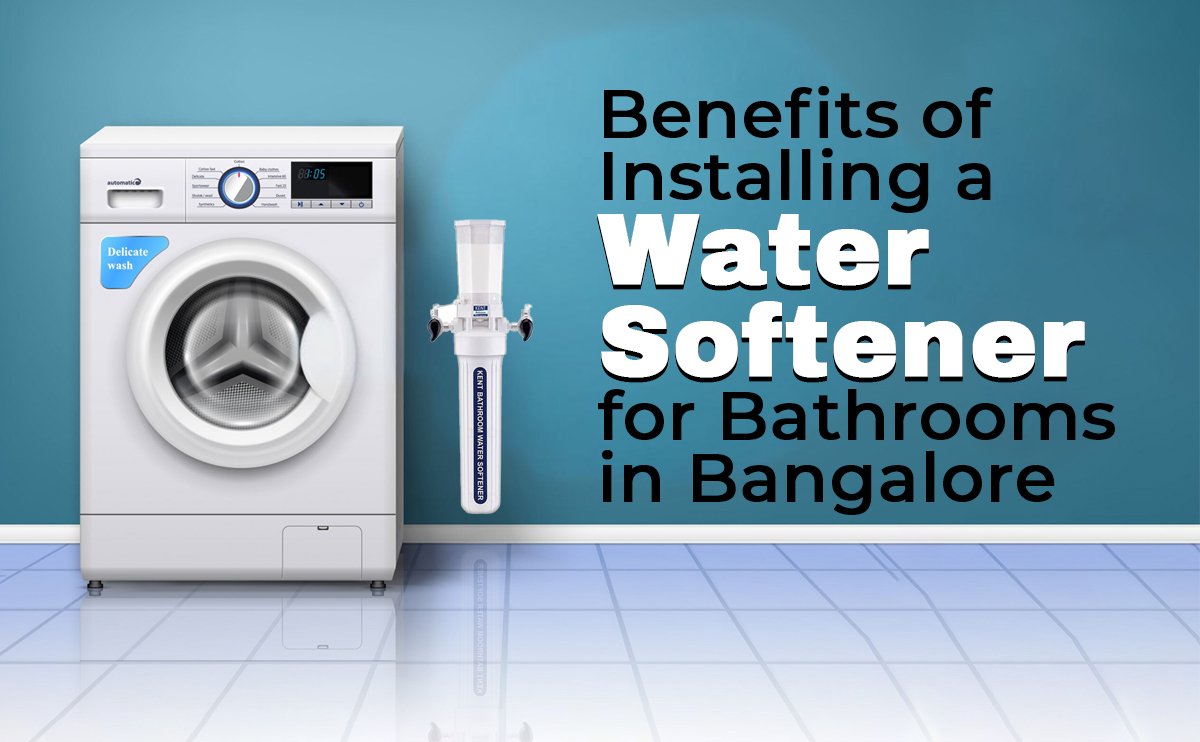
If you live in Bangalore, you’ve probably dealt with hard water at some point. That “white crust” on taps, dull-looking tiles, slow shower flow, and dry skin after bathing are all common signs. The good news is: a bathroom water softener can fix most of this at the source.
This blog breaks down why installing a water softener for bathrooms in Bangalore is worth it, what problems it solves, and how to choose the right one.
Why hard water is such a big issue in Bangalore?
Many areas in Bangalore rely on borewell water, and even mixed supply can carry high mineral content. Hard water mainly contains calcium and magnesium salts. These minerals are not “unsafe” to bathe in, but they create daily problems in bathrooms:
- White scale on taps, showerheads, buckets, and tiles
- Soap that doesn’t lather properly
- Hair that feels rough or sticky
- Skin that feels dry after showering
- Geyser and fittings that clog over time
- Increased cleaning effort and higher maintenance costs
Hard water is less about one big issue and more about constant irritation and slow damage to your bathroom and plumbing.
What a bathroom water softener actually does?
A water softener reduces hardness by removing calcium and magnesium. Depending on the type, it either:
- Uses ion exchange resin (common for home softeners), or
- Uses media/filters designed for scaling control (varies by technology)
The result is simple: less scale, better bathing experience, and longer life for your bathroom fittings.
Key benefits of installing a water softener for bathrooms in Bangalore
This is the most visible benefit. Soft water drastically reduces the white stains and crusty buildup that makes bathrooms look old even when they’re clean.
What improves:
- Cleaner taps and fixtures for longer
- Less scrubbing and fewer harsh chemicals
- Tiles stay shinier, especially in the shower area
- Showerheads don’t choke and spray.
Hard water can leave a mineral residue on the skin. Many people in Bangalore complain of dryness or itchiness after showers, especially in winter.
With softened water:
- Skin feels cleaner and smoother
- Dryness often reduces (especially
when paired with a good moisturizer) - Soap rinses off properly, so there’s less “film”
This is particularly helpful for families with kids or sensitive skin.
Hard water doesn’t directly “cause” hair fall medically, but it can worsen common triggers:
- Hair feels rough and tangled
- Scalp gets itchy or flaky
- Shampoo doesn’t rinse well, leading to buildup
- Hair looks dull over time
Soft water helps because shampoo lathers better and
rinses cleaner, leaving hair lighter and smoother.
Hard water makes you use more:
- Floor cleaners
- Acid-based tile cleaners
- Soap and shampoo (because lather is poor)
With soft water:
- Soap lathers easily
- You use less shampoo/soap per bath
- Less frequent deep cleaning is needed
This adds up month after month.
Hard water scale builds up inside:
- Geysers and heating coils
- Shower mixers and diverters
- Pipeline joints and valve points
This can reduce water flow, reduce heating efficiency, and increase repair calls.
A water softener helps by cutting down scaling, which often means:
- Better geyser performance over time
- Fewer plumbing issues related to clogging
- Longer life for mixers, showerheads, and taps
In many homes, the showerhead gets partially blocked over time due to scale. People think it’s a plumbing issue, but it’s often mineral buildup.
With softened water:
- Less blockage = better water flow
- Shower spray stays consistent
- Water outlets don’t need constant cleaning
Hard water can permanently mark:
- Glass partitions
- Chrome fittings
- Marble/granite counters
- Tiles and grout lines
Even with regular cleaning, hard water slowly reduces shine and leaves dull patches. A softener helps preserve the “new bathroom” look.
If you’ve spent on:
- Rain showers
- Concealed diverters
- Premium chrome fittings
- Glass partitions
- Designer tiles
Hard water can undo that look fast. A bathroom softener is a practical “protection layer” for your investment.
Signs you should install a bathroom water softener (quick checklist)
If you relate to any 3–4 of these, a softener will help:
- White spots on taps and buckets
- Soap/shampoo doesn’t lather well
- Dry skin after bathing
- Rough hair or scalp irritation
- Frequent cleaning and still bathroom look dull
- Showerhead holes get blocked often
- Geyser needs maintenance too often
- Water leaves marks on glass partition
Types of water softeners used for bathrooms in Bangalore
Installed for one bathroom or a specific line.
Best for:
- Apartments where you only need bathroom water softened
- Budget-friendly setups
- Quick installation
Softens water for the entire home (bathrooms + kitchen + washing machine, depending on design).
Best for:
- Independent houses and villas
- Homes using borewell as primary source
- Families wanting appliance protection too
What to consider before buying a water softener in Bangalore
- Water source
- Borewell water typically needs stronger softening
- Mixed supply may vary by season and locality
- Hardness level (TDS isn’t the same as hardness): Many people confuse TDS with hardness. TDS is total dissolved solids; hardness is specifically calcium/magnesium content. A simple hardness test kit gives clarity.
- Family size and number of bathrooms: More usage = higher capacity softener required.
- Maintenance and salt refilling: Some softeners require salt replenishment and periodic servicing. Choose based on the maintenance you can realistically handle.
- Space and plumbing access: Apartments may have limited space, so compact models are preferred.
Final thought
If you are planning to install a reliable bathroom water softener in Bangalore, Talwin offers well-designed systems that are suitable for both apartments and independent houses. Their solutions are built specifically for hard water conditions commonly found across the city and come with good service support, making them a practical choice for long-term use.
Installing a water softener for bathrooms in Bangalore isn’t just about comfort. It’s about reducing daily maintenance, protecting your fittings and geysers, and improving your skin and hair experience over time.
FAQs
Yes, softened water is commonly used for bathing and household use. It mainly reduces calcium and magnesium hardness.
Not always. Smell/color may be due to iron, sulfur, or other impurities. You may need additional filtration depending on the water issue.
A standard softener focuses on hardness minerals, not total TDS. If you want TDS reduction, that’s typically a job for RO systems (usually for drinking water).
Most people notice changes immediately: better lather, smoother feel, less scaling in a few days to weeks.
For many apartment homes, yes. It solves the major daily pain points: bathing, fittings, tiles, and shower experience. Whole-house is better if you also want to protect washing machines and other water outlets.