Builders, apartment associations and villa owners often ask us: is it better to install one centralized RO plant or let every household use its own purifier? The right answer depends on your water source, building size and how you plan to maintain it.
Comparison at a glance
| Factor | Centralized RO | Individual RO |
|---|---|---|
| Coverage | Drinking + bathing + appliances | Kitchen drinking water only |
| Cost per household | Lower at scale | Higher overall |
| Maintenance | One AMC, professionally managed | Every family manages its own |
| Reject water | Can be reused (flushing, gardening) | Usually wasted down the drain |
| Appliance protection | Yes — all fittings protected | No |
| Space | Needs a plant room | Under each sink |
When centralized RO makes sense
- Borewell or tanker water with high TDS / hardness
- Villas and gated communities wanting soft, clean water at every tap
- Schools, hospitals, offices and factories
- New projects where builders can plan the plant room and plumbing
The smart hybrid approach
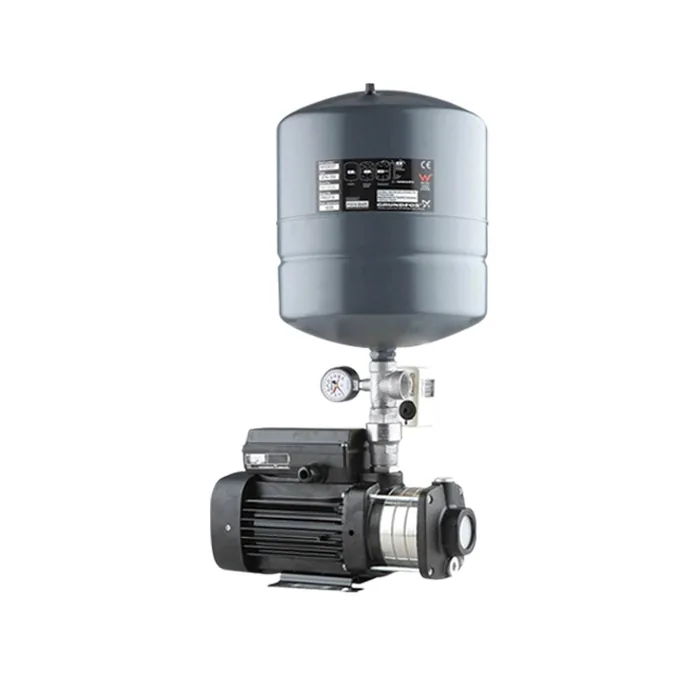
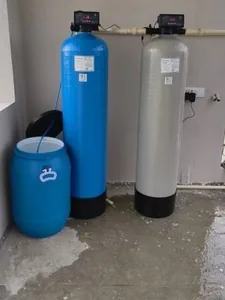
Many apartments install a central softening + filtration plant for all water, plus a compact drinking-water RO in each kitchen. This protects plumbing and appliances building-wide while keeping drinking water purification close to the tap.
RWAs & builders: get a free water test and plant design proposal.
Get Free QuoteHow a central plant is sized
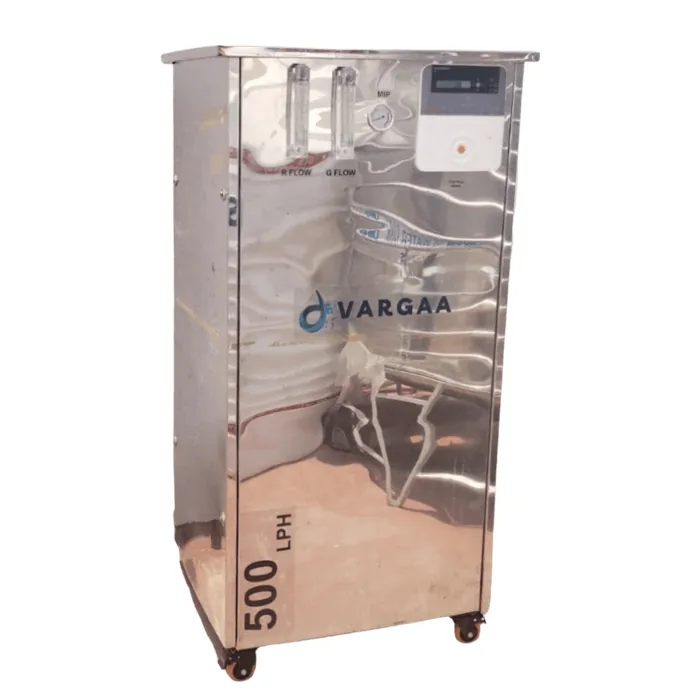
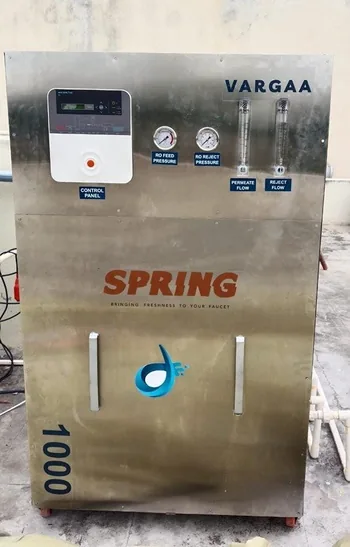
Capacity is measured in LPH (litres per hour). We size based on daily consumption (typically 100–150 litres per person for domestic use in apartments), peak hours, input TDS and storage. Plants range from 500 LPH for villas to 10,000 LPH for large communities.
Maintenance checklist
- Daily: check pressure gauges and output TDS
- Monthly: backwash sand/carbon filters
- Quarterly: replace cartridges
- Yearly: membrane cleaning, UV lamp replacement
Frequently Asked Questions
How much space does a central RO plant need?
A 1000 LPH plant typically needs about 8 × 6 ft, plus space for storage tanks.
Can reject water be reused?
Yes. Reject water is ideal for flushing, gardening and floor cleaning.
Need expert advice for your home or business? Free site visit across Bengaluru.
Get Free QuoteDisclaimer: prices, tariffs and subsidy figures are indicative and based on publicly available information at the time of writing; they can change. Contact us for current, site-specific figures.