Bangalore receives around 900–1000 mm of rain a year, yet the city faces severe water shortages every summer. Rainwater harvesting (RWH) is one of the simplest, cheapest ways to secure your water supply — and for many properties, it is mandatory under BWSSB rules.
Is rainwater harvesting mandatory in Bangalore?
Yes, for many properties. The BWSSB (Bangalore Water Supply and Sewerage Board) Act and its amendments require rainwater harvesting structures for existing buildings on larger plots and for new buildings above the notified plot size. Properties that don't comply can be charged a penalty on their water bill until RWH is installed, and new water connections may require RWH compliance.
How a good RWH system is designed
- Catchment: your roof — clean it before the monsoon.
- Downpipes: collect water from roof outlets.
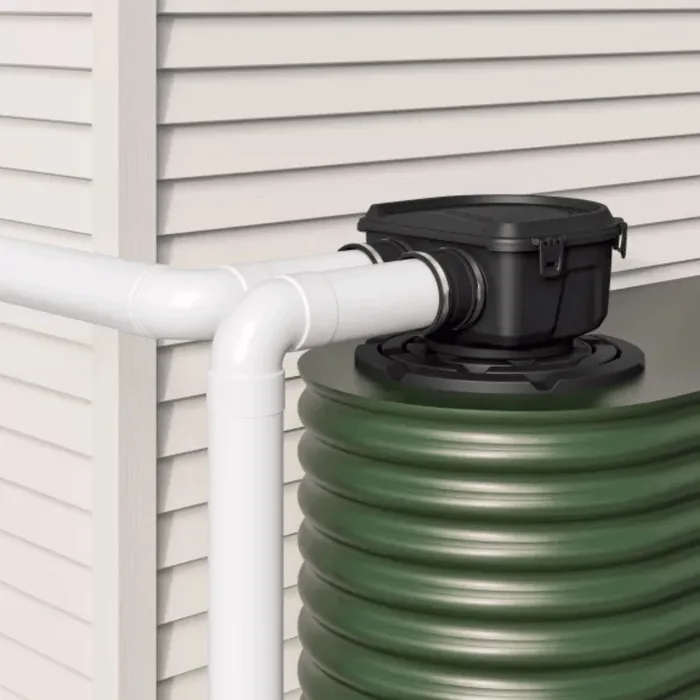
- Filter: a self-cleaning vortex filter removes leaves, grit and debris. This is the most important component.
- Storage: sump or tank for direct use (washing, gardening, flushing — and drinking after purification).
- Recharge: overflow to a recharge well or pit that replenishes groundwater and your borewell.
Why the filter matters
Without a filter, debris enters your sump, clogs recharge pits within one or two seasons, and creates mosquito breeding grounds. A vortex + stainless steel mesh filter handles up to 1500 litres a minute without electricity and cleans itself — see our rainwater harvesting filters.
Get a BWSSB-compliant rainwater harvesting system designed for your roof.
Get Free QuoteHow much water can you harvest?
Every 1 mm of rain on 1 m² of roof yields 1 litre. A 100 m² (≈1,075 sq ft) roof in Bangalore can collect around 80,000–90,000 litres a year — that's months of tanker water saved.
| Roof area | Approx. yearly harvest |
|---|---|
| 50 m² (540 sq ft) | 40,000 – 45,000 L |
| 100 m² (1,075 sq ft) | 80,000 – 90,000 L |
| 250 m² (2,700 sq ft) | 2 – 2.2 lakh L |
| 500 m² (apartment block) | 4 – 4.5 lakh L |
Rainwater harvesting for apartments
Apartments have large roof areas and big water bills — making RWH extremely cost-effective. A typical setup uses multiple filters on downpipes, feeds the common sump, and sends overflow to recharge wells that support community borewells.
Frequently Asked Questions
Can harvested rainwater be used for drinking?
After filtration and purification (RO/UV), yes. Filtered rainwater is excellent for bathing, washing and gardening.
How often should RWH filters be cleaned?
Self-cleaning filters need only a check every 2–3 months and before the monsoon.
Need expert advice for your home or business? Free site visit across Bengaluru.
Get Free QuoteDisclaimer: prices, tariffs and subsidy figures are indicative and based on publicly available information at the time of writing; they can change. Contact us for current, site-specific figures.