Water heating is one of the biggest electricity expenses in an Indian home — often 25–40% of the bill. Choosing the right system can save you thousands of rupees every year. Here's how the three main options compare.
Quick comparison
| Solar water heater | Heat pump | Electric geyser | |
|---|---|---|---|
| Energy source | Sunlight | Heat from air + electricity | Electricity only |
| Running cost | Lowest | Very low (≈ 1/3 of geyser) | Highest |
| Works at night / rainy days | Stored hot water + backup | Yes, 24×7 | Yes |
| Needs roof space | Yes | No | No |
| Upfront cost | Medium | Medium–high | Low |
| Typical life | 15–20 years | 10–15 years | 5–8 years |
| Best for | Independent houses | Apartments, hotels, hostels | One bathroom, light use |
Running cost example
A family of four uses roughly 150–200 litres of hot water a day. Heating that with an electric geyser can consume around 6–8 units daily — about ₹1,400–₹1,800 a month at Bangalore tariffs. A heat pump does the same job with about a third of the electricity, while a solar water heater uses almost none on sunny days.
When to choose a solar water heater
- You own an independent house or villa with a sunny terrace.
- Hot water is mostly used in the morning and evening.
- You want the lowest possible running cost.
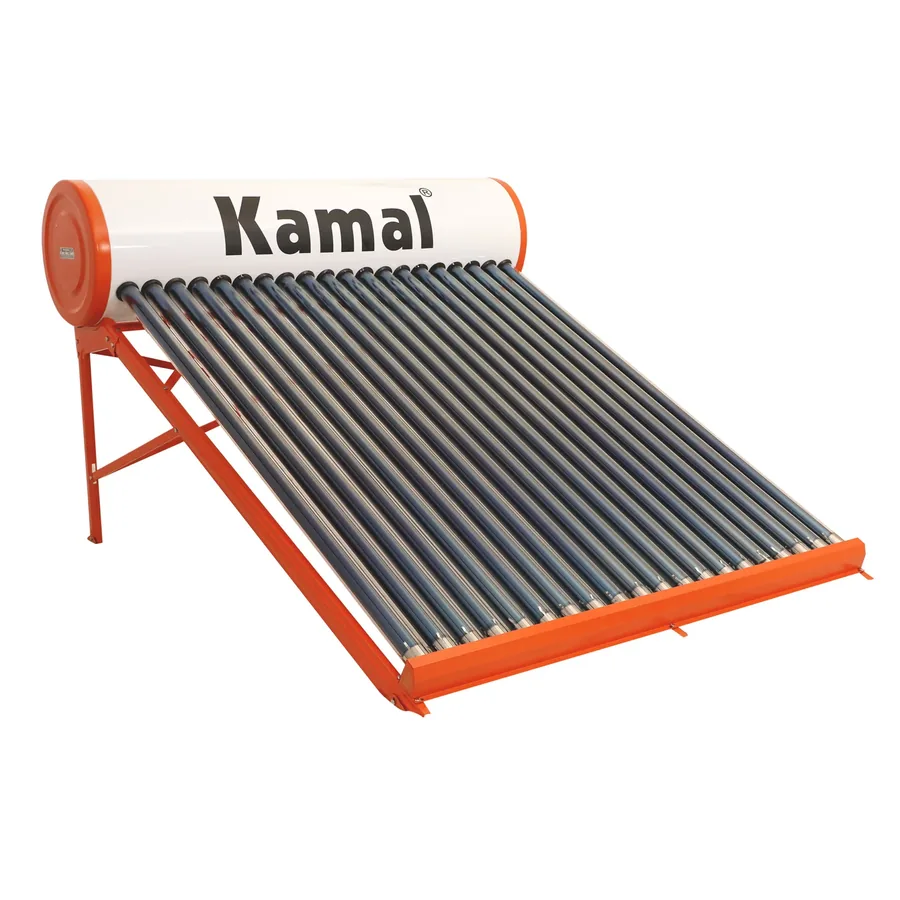
Use FPC models for hard borewell water and ETC for soft water. See our solar water heater range.
When to choose a heat pump
- You live in an apartment without terrace access.
- You need hot water at any time — hotels, hostels, PGs, hospitals.
- You want a single central system for multiple bathrooms.
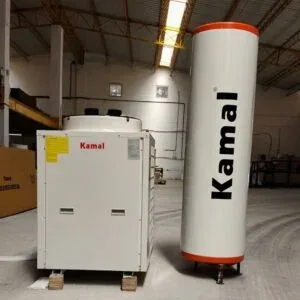
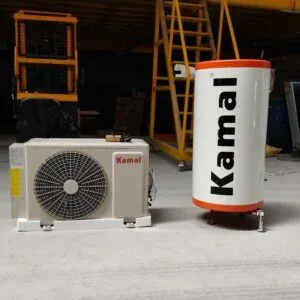
Bangalore's mild climate is ideal for air-source heat pumps. See Racold & Kamal heat pumps.
Not sure which suits your home? Our expert will recommend after a free site visit.
Get Free QuoteWhen an electric geyser still makes sense
For a single, rarely used bathroom or a kitchen tap, a small instant or storage geyser is still practical. For everything else, solar or a heat pump wins over its lifetime.
The best of both: hybrid systems
For large homes and commercial buildings, a solar + heat pump hybrid uses free sunlight first and the heat pump as backup — the lowest running cost with 24×7 reliability.
Frequently Asked Questions
Can I use a heat pump with solar panels?
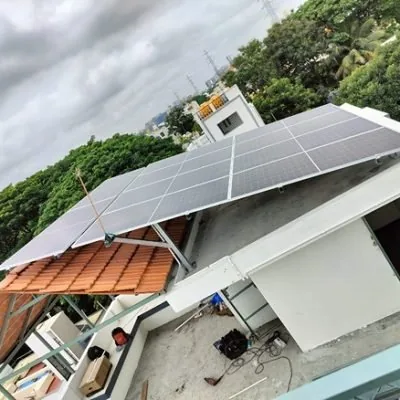
Yes. Pairing a heat pump with rooftop solar PV makes water heating almost free during the day.
Do heat pumps work in Bangalore winters?
Yes. Bangalore's winter temperatures are well within a heat pump's efficient operating range.
Need expert advice for your home or business? Free site visit across Bengaluru.
Get Free QuoteDisclaimer: prices, tariffs and subsidy figures are indicative and based on publicly available information at the time of writing; they can change. Contact us for current, site-specific figures.